Rob Lincolne - Paydock Ep. 201

About this Episode

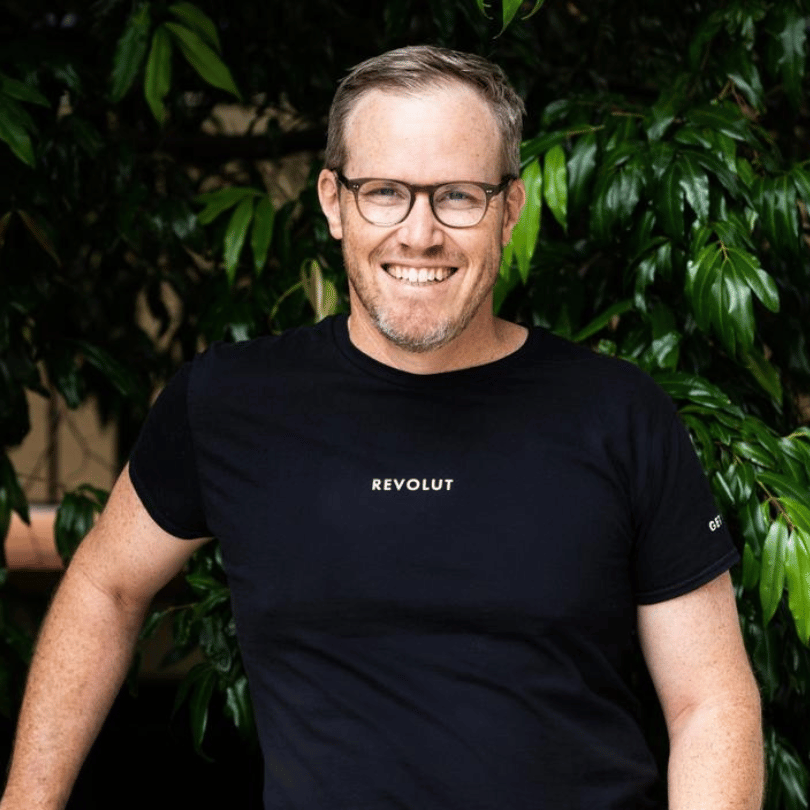
Dexter Cousins welcomes Rob Lincolne, Founder & CEO of Paydock to the latest episode of the Fintech Chatter Podcast.

Rob shares Paydock's unique position in the payments ecosystem with a deep-dive into payments orchestration and the importance no-code solutions provide in Fintech innovation.

He discusses the challenges of attracting top talent, emphasising the complexities of building a global team operating on opposite sides of the world. He also highlights the resilience of the tough conditions his team in Ukraine has endured over the last few years.

Rob shares with Dexter his daily routines and the importance of maintaining a healthy work-life balance as a founder of a global Fintech venture.

About Rob Lincolne

Rob Lincolne is an accomplished entrepreneur with extensive experience in the payments industry. As Founder and Co-CEO of Paydock, Rob is dedicated to transforming the way we transact through the creation of the world’s most trusted payment orchestration platform.

His entrepreneurship journey began in Sydney 2007 when he founded a digital marketing agency specialising in the not-for-profit sector.

The Paydock vision arose when he identified the need for better integration between financial institutions and their merchant clients. Paydock's innovative approach is aimed at unlocking the fintech market's true benefits.

Before founding Paydock, Rob worked in merchant payments across retail and charitable sectors. A self-taught software engineer, he is known for developing cutting-edge payment and propensity modelling software. He has pioneered various digital and experience design systems.

Rob has also founded a successful "near-shore" talent placement agency in Ukraine, connecting software engineers with fintechs around the globe.

About Paydock

Paydock is a payments orchestration platform, leading the way in resolving costly issues for merchants who navigate disparate, fast-moving and fragmented payment service (and related) providers. Our innovative API-first technology harmonises payment, fraud, identity and other vendors (such as Stripe, PayPal, etc.) through a single interface while satisfying compliance, security, technical and other functional needs.

Key Takeaways

Chapters

00:00 Introduction to Fintech Chatter

01:59 Understanding PayDoc and Its Unique Position

06:06 Innovation and the No-Code Approach

10:58 Defining Payments Orchestration

14:58 The Journey of PayDoc: From Australia to the UK

19:09 Building a Global Team and Talent Acquisition

21:54 Supporting Teams During Crisis: The Ukraine Experience

25:32 Attracting Top Talent in Fintech

29:26 The Importance of Character in Hiring

33:56 Resilience and Overcoming Adversity

38:33 Current Trends in Fintech

42:14 Daily Routines and Habits of Founders

45:06 Looking Ahead: PayDoc's Future Plans

Links

Visit Paydock website

Connect with Rob Lincolne

Connect with Dexter Cousins

Learn more about Tier One People

Exploring Fintech with Joel Yarbrough: Moment's Impact on Africa's Digital Payments Ep. 198


In Episode 198 of the Fintech Chatter podcast, Dexter Cousins chats with Joel Yarbrough, CEO of Moment. Joel, an OG fintech leader, discusses his global journey with roles at PayPal, Grab, and now Moment, where he's tapping into Africa's vast fintech opportunities.


About This Episode

Dexter and Joel discuss the qualities of successful individuals in startup environments, emphasizing the importance of passion, collaboration, and a growth mindset.

Joel talks about the importance of giving back and building diverse teams, as well as the challenges of hiring in a rapidly changing market. He also provides insights into the future of Moment and the importance of being mission-driven in the business world.

About Joel Yarbrough

Joel is a passionate leader whose love of technology drives him to deconstruct complex systems and rebuild them to solve real problems. He has spent most of my career helping strategise, design, product manage, and deliver multi-channel solutions in and around the intersections of financial services, commerce, and technology.

He's built a reputation as an evangelist and dot connector, working with partners to understand their strategies and solve their problems. The delight of leading product teams to make the vision a reality is a real joy.

Joel's core belief is that together we can make the world a better place - even if it's through our own enlightened self-interest. By doing things well, and being decent to each other we will all keep pushing to a brighter place together.

About Moment

Moment is an integrated payments platform for Africa, incubated as a joint venture by MultiChoice, Rapyd, and General Catalyst. We connect businesses and consumers in over 40 African countries. We're able to do so through our broad network that aims to cover over 100 payment providers, 200 local payment methods, and 40 currencies.


Key Takeaways -


Chapters

00:00.  Introduction to Joel Yarbrough and Moment

05:42.  The Unique Opportunity in Africa's Fintech Landscape

14:01.  The Impact of Fintech on Personal Agency

19:44.  Australia's Fintech Identity and Global Positioning

25:08.  Understanding Human Capital in Startups

30:32.  Passion vs. Mission-Driven Work

39:01.  Navigating Hiring Challenges in a Changing Market

Links & Resources:


Send us a text

Subscribe Newsletter: https://www.linkedin.com/newsletters/fintech-leaders-7092732051488980992/
Connect on Linkedin: https://bit.ly/3DsCJBp

2024 Singapore Fintech Festival Highlights with Kristofer Rogers Ep 199

In this special episode of Fintech Chatter, host Dexter Cousins and guest Kristofer Rogers of Volt.io review the Singapore Fintech Festival 2024, highlighting its scale, the quality of discussions, and the global interest in fintech.

They explore themes of financial health, geopolitical impacts, interoperability, the future of embedded finance and the need for collaboration in the fintech ecosystem.

In this conversation, Kristofer Rogers and Dexter discuss the evolving landscape of FinTech, focusing on the implications of disruption, the changing nature of leadership in Fintech, and the critical importance of talent.

At Singapore Fintech Festival the access to industry leaders is unparalleled. Kristofer and Dexter discuss the significance of Fintech community events and Australia's position in the global FinTech arena.

The discussion highlights the challenges and opportunities facing Australia, the need for a long-term vision, and an optimistic outlook for the future of FinTech.

Highlights from Singapore Fintech Festival 2024

  1. The Singapore Fintech Festival 2024 had 65,000 delegates.
  2. 3400 policy makers and even royalty in attended the event.
  3. 665 central banks, regulatory authorities and government organisations were represented.
  4. 5 zones for Talent, Tech, ESG, Regulation and Founders. 
  5. Financial health is a more pressing issue than financial inclusion.
  6. Interoperability is becoming more important than innovation in fintech.
  7. Africa presents unique opportunities for fintech.
  8. Collaboration among fintechs and banks is essential for success.
  9. Embedded finance is maturing, but challenges remain.
  10. The festival highlighted the importance of genuine business connections.
  11. Talent is a critical focus area that is often overlooked in discussions.
  12. Accessibility of industry leaders fosters networking and collaboration.
  13. A long-term vision is necessary for Australia to establish its identity in FinTech.
  14. Optimism exists for the future of FinTech in Australia, with potential growth opportunities.
  15. Global trade and currency are poised for significant changes in the coming years.
  16. The FinTech landscape is evolving, and businesses must adapt to stay relevant.

Chapters

00:00 Overview of the Singapore Fintech Festival
06:04 Global Perspectives on Fintech
12:01 Interoperability vs. Innovation in Fintech
18:00 Collaboration in the Fintech Ecosystem
27:46 The Implications of Global Disruption
33:21 Accessibility and Networking in FinTech
40:05 Challenges and Opportunities for Australia
45:55 Optimism for the Future of FinTech


John Crutchely & Dave Malcolm - Mist Ep 193

In episode 193, Dexter Cousins sits down with Co-Founders John Crutchley and Dave Malcolm, the brains behind Mist, an innovative solution helping students organise their new life in Australia. It doesn’t sound glamorous, but it is an untapped market ripe for digital innovation.

Dave and John share their vision for what promises to be a unique Fintech scaleup. Mist stands out as an ambitious concept. Where many Fintech’s have essentially created a business that could easily be a feature in an app, Mist is an app that makes Fintech a feature of their design.

Dave and John share their Mist journey so far and how their contrasting startup experiences at MarleySpoon and Volt Bank are helping them navigate the pitfalls of a Fintech startup.

Key Take Aways


About Our Guests:


John Crutchley

John gained extensive experience in various leadership roles in the Banking sector before founding Mist. He specialised in migration and international banking for ANZ and Volt Bank, where he was specifically hired as Head of International Banking to lead their go-to-market strategy in the international student market.

Dave Malcolm
A passionate C-Level executive and entrepreneur with a proven track record of founding, building, and scaling digital ventures across web2 and web3 in Australia.
He pinpoints the co-founding of Marley Spoon & Dinnerly in 2015 as his career highlight, which went on to be listed on the ASX in 2018 (ASX: MMM).


Show Notes:


Links & Resources:


Subscribe & Review:
If you enjoyed this episode, please subscribe and leave us a review on [Apple Podcasts/Spotify/Your Preferred Platform]. Your feedback helps us bring more engaging content and insightfu

Send us a text

Subscribe Newsletter: https://www.linkedin.com/newsletters/fintech-leaders-7092732051488980992/
Connect on Linkedin: https://bit.ly/3DsCJBp

David Hanna - Finmo

In episode 187 of the Fintech Chatter podcast, Dexter Cousins is joined by CEO of FinmoDavid Hanna.

David talks to Dexter about how he and the team are tackling a global problem affecting pretty much every SME.

David shares his Fintech journey as the Head of Risk and Compliance  at Paypal and Chief Risk and Compliance Officer at Rapyd.

Tune in to find out how to make the transition from risk to CEO, the optimal way to launch a global Fintech and how to win enterprise clients without a marketing budget!

About David Hanna

David is the CEO and co-founder of Finmo and has over 20 years of expertise in the financial services and payments sector. Prior to founding Finmo, he held global leadership roles in Risk and Compliance for Financial Services companies headquartered in various locations globally.

David has held senior roles across companies such as PayPal, Ernst & Young, Zurich, ING Bank, Banxa and others. He serves on several advisory boards and has invested in many startups around the world.

About Finmo

Finmo is a global B2B treasury management platform that is focused on providing the necessary tools for the “CFO Office” including finance teams, CFOs, and treasurers. The business provides a single platform to enable the core elements of treasury to be managed from one place.

Finmo does this by providing four core modules to its clients which are;

Money movement
Cash management, including AR/AP modules
FX Hedging capabilities
Integrations into existing accounting and enterprise software

Following 20+ years of working across the financial services industry with founders from organisations such as PayPal, Citi, and other big names, the Finmo exec team realized that everyone has a treasury problem!

In identifying this problem, we believe there is a significant gap in the market for a solution that serves the end-to-end treasury management lifecycle.

Datamesh - 12 months and a $30m Series A later!

Dexter Cousins invites Datamesh CEO Mark Nagy back on the show. Mark made his first appearance 12 months ago as part of our spotlight on the next wave of Aussie Fintech startups.

One year on from his debut Mark shares his tips on how Datamesh secured $30m Series A funding in the midst of the downturn.

Mark also shares his secrets for winning contracts with global clients like Deutsche Bank and how to expand an Aussie Fintech internationally.

You can check out our original podcast with Mark

Brazilian Fintech Pismo Launches in Australia

"We are the most modern financial services platform on the planet."

Vishal Dilal, Pismo

Dexter is joined by Vishal Dalal, CEO International Business for Brazilian Fintech, Pismo. Pismo hit the headlines recently after it was announced Visa is acquiring the business for US $1bn.

Pismo offers Next-gen banking and cards technology through a truly cloud-native API platform. Pismo was founded in 2016 by experienced entrepreneurs and techies. They are a global company headquartered in São Paulo, Brazil, with offices in the United States and the United Kingdom. Vishal shares Pismo's plans for the region after they recently announced details of a partnership with Australian SME lender Grow Finance.

Dexter and Vishal also discuss:

- Pismo's rapid growth 🚀
- The rise of Brazilian Fintech 🇧🇷
- The attraction of Australia to Fintechs like Pismo 🤝
- How Australia is perceived as a Fintech nation 🇦🇺
- Does Australia have the best coffee in the world ☕️

About Vishal Dalal

☕️ According to Vishal, Australia has the best coffee in the world! As an Australian resident himself, he can confirm that nothing beats the coffee here. #FintechChatter

Vishal has a distinguished career in global financial services including stints with Citi and Barclays in London.

Vishal spent 5 years in Australia with McKinsey on major banking transformation programs. He joined Pismo in 2021 and is passionate about bringing Pismo's innovative technology to the Australian market.

For more information https://www.pismo.io/

James Foster on EzyPay's Expansion, Partnerships and Opportunities in Asia

"Our success is defined by what we decide not to do because there are so many opportunities." - James Foster


It's been two years since James Foster last appeared on Fintech Chatter. And it has been an incredible two years for Ezypay with 50% year on year revenue growth, going from 60-100 people and now operating in 9 countries across APAC.

Summary:

In this episode, Dexter chats with James about the challenges and opportunities of being a profitable business in the fintech industry. James highlights importance of focusing on solving customer pain points and making money, rather than chasing funding and growth for the sake of it.

James also shares insights on the impact of Payto, a real-time account-to-account payment platform, and how Ezypay is leveraging this innovation to improve collection rates and enhance the customer experience. He highlights the need for businesses to adapt and innovate while staying true to their core values and profitability goals.

About James Foster and Ezypay

James Foster is the CEO of Ezypay, a payment solutions company that specialises in supporting businesses with recurring customer payments. With over 27 years of experience, Ezypay helps merchants optimise collection rates, improve the customer experience, and enhance cash flow. 

James has led the company through significant growth and profitability, navigating the challenges of the fintech industry while staying focused on solving customer pain points.

Follow Ezypay: https://www.ezypay.com/


Key Takeaways:

  1. Being profitable and solving customer pain points should be the primary focus for businesses, rather than chasing funding and growth.
  2. Payto is a game-changer in the payment industry, offering real-time account-to-account payments and improved customer protection.
  3. Ezypay's success is attributed to its ability to focus on its niche market, make data-driven decisions, and adapt to the evolving payment landscape.
  4. Doing business in Asia requires understanding the unique cultural and regulatory differences in each country, as well as being open to learning from failures and making course corrections.

Chapters

00:00:00 About EzyPay

00:14:17 Navigating Complexity and Collaboration Across Locations

00:18:05 PayTo Impact and Benefits Australia

00:25:00 Expansion Strategies and Challenges in Asia 

00:40:45 Opportunities for Australia in Fintech

143: Primer | Gabriel Le Roux

In episode 143 of Fintech Chatter Podcast, Dexter Cousins is joined by Gabriel Le Roux, co-founder of Primer.

About Primer

As the world's first automation platform for payments and commerce, Primer offers merchants the underlying infrastructure they need to build better buying experiences for their customers.

For the first time, merchants can connect and control their entire payment and commerce stack, and build their ideal payment flows autonomously from scratch.

Plug in any desired payment and commerce solution with 1-click Connections, define logic across the entire commerce lifecycle with a drag-and-drop workflow editor, and create seamless checkout experiences that meet today’s consumer expectations.

Find out more https://primer.io/

About Gabriel Le Roux

Gabriel Le Roux is the co-founder of Primer, the world’s first automation platform for payments and commerce. He leads a team of over 120 employees based across 35 countries. With nearly a decade of experience working in the FinTech space, Gabriel has built a strong understanding of the FinTech industry landscape.  

Prior to founding Primer, Gabriel worked at PayPal's Braintree division for five years, where he grew Braintree's footprint in the European startup ecosystem and managed the company’s new and highly strategic commerce infrastructure tools. During his time at Braintree, he was exposed to the ever-growing challenges of the online payment industry, which inspired him to begin Primer.  

Before his work at Braintree, Gabriel has also worked at several Rocket Internet ventures in Germany and Asia.

Connect with Gabriel on LinkedIn

Follow us:
Apple: https://apple.co/3D7NsPt
Spotify: https://spoti.fi/3IzSViQ
Subscribe and like on Youtube: https://bit.ly/3tBlRmE
Connect on Linkedin: https://bit.ly/3DsCJBp
Follow on Twitter: https://twitter.com/DexterCousins

142: Cuscal | Bianca Bates

In Episode 142 of the Fintech Chatter podcast, Dexter Cousins chats to Bianca Bates, Chief Client Officer and Deputy CEO of Cuscal about their recent acquisition of Basiq.

In Episode 142 of the Fintech Chatter podcast, Dexter Cousins chats to Bianca Bates, Chief Client Officer and Deputy CEO of Cuscal about their recent acquisition of Basiq.

Bianca Bates is one of the most respected leaders in Fintech. Tune in as Bianca shares Cuscal's rich history of innovation from opening Australia's first ATM to building a digital bank from scratch.

Dexter and Bianca discuss Cuscal's push into CDR with the acquisition of Basiq. And they also talk about Cuscal's continued support for the Fintech ecosystem.

In the second part Bianca shares her leadership tips. They discuss the challenges of leading remote workforces, how to manage mental health and how to keep relevant in a rapidly changing environment. 

Chapters

0:00:01 Intro - About Cuscal

0:03:05 Cuscal's Proud Firsts in the Payment Industry

0:05:19 Exploring Payment Innovation

0:07:39 The Benefits of Building a NeoBank

0:09:11 Supporting innnovation and the Fintech Ecosystem

0:18:40 Position on Digital Assets, Blockchain Technology, and Crypto

0:21:04 Leadership and Purpose

0:23:34 Driving innovation and collaboration in the Age of Remote Work

0:28:14 Flexible Work, Hybrid models and Productivity

0:30:18 Conversation on Finding Motivation and Passion in a Career

0:32:12 Bianca's career journey in Fintech

0:39:34 Mental Health Strategies for Business Leaders

0:44:35 What does the future hold for Cuscal

Summary

In this episode of Fintech Chatter, host Dexter Cousins is joined by Bianca Bates, the Chief Client Officer of Cuscal. Cuscal is an end-to-end provider of all payment services in the Australian market, with over 100 clients including mutuals, banks, Fintechs, and corporate acquirers. Bianca explains that her role as chief client officer entails leading Cuscal’s product and service teams. With 700 people, Cuscal is a sizable organization with a rich history of innovation and plays an important role in the Fintech startup ecosystem.

Cuscal is known for its proud firsts in the payments industry, including the first ATM in Australia in the 1970s and the first contactless payment in Australia. They were also the first to launch multiple brands on the same day with Apple Pay and the other Pays in the Australian market. Bianca explains Cuscal is not looking to compete with the Big Four banks, instead they are focused on solving problems with connectivity and capacity. By having the necessary connectivity and capacity, they enable anyone, including new entrants and fintechs, to compete in the market. This allows Fintech's to focus on the front end, while Cuscal takes care of the back end.

About Bianca Bates

Bianca Bates was appointed to the role of Chief Client Officer & Deputy CEO in December 2020. As well as leading Cuscal’s Product, Client Services and Operations teams, Bianca is CEO, Craig Kennedy’s delegate, and is involved in Cuscal’s engagement with industry bodies, regulators and shareholders.

Prior to this Bianca held the role of Chief Client Officer since April 2018. Since joining Cuscal in July 2014, Bianca has held a number of other senior roles including Acting General Manager, Product & Service, General Counsel & Company Secretary, Acting General Manager Shared Services and Head of Client Services.

Bianca has over 20 years’ experience in financial services with large and complex US and Australian companies, both public and private. Prior to Cuscal she worked in senior legal and compliance company secretariat roles with Genworth, GE Capital and DLA Phillips Fox.

About Cuscal

Cuscal is Australia’s leading provider of payment solutions, partnering with mutuals, banks (large and small), fintechs, and corporates who provide payment services to their customers.

For over 50 years, Cuscal has championed competition in banking and payments in Australia. Today Cuscal is focused on enabling the future for clients, bringing to life the platforms and tools needed to compete and succeed in Australia’s rapidly evolving digital economy.

Follow us:
Apple: https://apple.co/3D7NsPt
Spotify: https://spoti.fi/3IzSViQ
Subscribe and like on Youtube: https://bit.ly/3tBlRmE
Connect on Linkedin: https://bit.ly/3DsCJBp
Follow on Twitter: https://twitter.com/DexterCousins

Transcript

0:00:01]  Dexter Cousins: Fintech chatter. Brought to you by tier one people leaders in Fintech executive search. Welcome to Fintech Chatter, the show where I connect with Fintech leaders for a bit of a chat. I'm your host, Deck Dexter Cousins, and in today's show, I'm joined by a really special guest, Bianca Bates, chief client officer of Cuscal. Bianca was last on the show almost three years ago, and she did just such an amazing job of explaining Cuscal that I thought rather than me doing the introduction, I'd get Bianca to do it.

[0:00:45]  Bianca Bates: Thanks, Dexter. So, yeah, Cuscal, we are an end to end provider of all payment services in the Australian market. We have all of the licensing and connectivity of the major banks. So there's the major banks and Cuscal who can effectively enable all payment channels in the Australian market. Our clients, there's just over 100 of them, and they are made up of the mutual sector who were the founders of Cuscal many, many years ago, actually over about 50, 60 years ago.

[0:01:21]  Bianca Bates: And then we have other banking clients such as Ing and Bendigo, as well as Fintechs corporate acquirers, Paytex. So we have a really sort of broad segment of clients.

[0:01:35]  Dexter Cousins: Awesome. Now, we're going to be talking today a lot, Bianca, about the role that Costcal has been playing in the Fintech startup ecosystem, been a real enabler of the ecosystem, particularly over the last five years or so. But before we kind of talk about that, your role as Cuscal chief client officer, what does that entail?

[0:01:57]  Bianca Bates: Yeah, so chief client officer, I lead our product and service teams. So we have five product domains. So we have our issuing switching domain fraud payments, which includes MPP, as well as CDR and acquiring. So I lead the product domains as well as all of our client facing teams. So all of our relationship management, partnership management teams, contact centers, operations and sales.

[0:02:29]  Dexter Cousins: And how big is Cuscal in terms of people?

[0:02:31]  Bianca Bates: We've got about 700 people.

[0:02:33]  Dexter Cousins: Wow. So it's a pretty sizable organization.

[0:02:36]  Bianca Bates: It is.

[0:02:37]  Dexter Cousins: And talking about, I guess, what we've seen within Fintech, there's a lot of kind of a really rich history of innovation from Cuscal. That when I first had you on the show. That's still one of my favorite shows, right? Because my mind was blown by the first that the organization is responsible for. Can you talk through some of those? Because not everybody watching might have listened to that podcast.

[0:03:05]  Bianca Bates: We do have a lot of proud firsts at Cuscal starting back in the 1970s, where we introduced the first ATM to Australia, which was pretty cool, really. Before that, people were having to go to a branch to get cash out Monday to Friday, whatever hours the bank was open. So it started there back in the 70s. Fast forward. We were the first to do a contactless payment in Australia, visa, Pay Wave, first to launch anywhere in the world. In fact, with over 30 brands going live with Apple Pay and the other Pays in the Australian market.

[0:03:44]  Bianca Bates: Pretty close to first in the Australian market, but the world first was so many brands on one day, then MPP Pay to going live first. Yeah, so a lot of proud firsts that we've achieved.

[0:04:01]  Dexter Cousins: It's kind of such a great story as well because Cuscal is kind of like the original challenger to the Big Four banks, right?

[0:04:12]  Bianca Bates: Yeah. We don't see ourselves competing to the Big Four. In fact, we're happy to enable anyone.

[0:04:18]  Dexter Cousins: Right?

[0:04:19]  Bianca Bates: Really the problem that we're looking to solve is connectivity and capacity. So we do have the connectivity to all payment rails and can enable anyone. So I think that's kind of the big enabler that we do have. So new Entrants coming to the Australian market that are looking to compete, whether they're a bank or an acquirer PayTech, we can enable them. So I think the connectivity is the first problem to be solved. Capacity is probably the other big one. So with our connectivity and capacity, we're dealing with all of the back end connectivity and enabling our clients to focus on the front end, which is exactly what the fintechs are excellent at doing. Like that connectivity layer that's dealing directly with their customers, whether that be consumers or whether it be businesses. So we're managing the back end, giving you capacity to work on the front end customer experience.

[0:05:19]  Bianca Bates: They're the really big things. I think the other thing that we've worked really hard on over the last probably three years as a big focus is time and cost to market. We know as business cases get approved, as capital is released into fintechs, they're looking to get to market as soon as possible, not wait years for connectivity. So that's another problem that we're looking to solve, is being able to get to market as soon as possible with the most advanced, innovative payment products available.

[0:05:54]  Dexter Cousins: And so you mentioned Pay2 before. It's obviously been a whole deal, not only in the media, but obviously within the industry around how slow the uptake has been on. That what's Cuscal been doing to kind of drive that and encourage that.

[0:06:09]  Bianca Bates: Yeah, we haven't been going slowly dexter so we were really proud to launch to go first with Pay2 in the Australian market. And so we've enabled all of our banking clients, Payers, to go live. I think with the exception of maybe a few, we've also proudly launched payment initiator clients, fintechs Paytex, who are going to bring some really amazing, I think, innovation to market as all of the participants and all of the accounts are available.

[0:06:44]  Bianca Bates: As you know, there's one major bank, Live now we're expecting all of the others to be live by March, April, so really looking forward to seeing some great innovation later in the year.

[0:06:57]  Dexter Cousins: Now, talking about innovation, it's such a fast moving industry that we've seen just over the last five years, a number of ideas that have kind of been tried, executed and maybe haven't worked out. And I think a really great example is neo banks and Cuscal went down the path of building their own neo bank, 86 400. Could you tell us a little bit about the kind of thinking behind that and what you learned through that process and how it's kind of helped evolve? Because we're going to talk about another area CDR in a moment, but how that process kind of evolved the thinking to where you are now.

[0:07:39]  Bianca Bates: Yeah, and I think learning is probably a great way to start that conversation. The reason we built 86 400 was for us to learn as a payment provider what putting our capability in a digital bank's hands could bring to market. So enabled with real time payments all of our digital capability as well as end to end payments, we wanted to see what a digital bank could look like, what great looks like, enabled by our solution. So we really did approach that as a learning what we did learn, and also 86 400 brought a lot of data and analytics to that solution. So really putting customers first, thinking about how they could utilize data to play experiences to consumers that were going to make them more financially healthy and help them live their lives every second of every day.

[0:08:39]  Bianca Bates: So it was a huge, big learning. I think the things that we learned was that as a digital experience, putting everything together that we had delivered to them was pretty remarkable. Within minutes you could be on boarded as a customer, have a digital card issued and be transacting pretty much within six minutes. And so we were really proud of looking at all the capability we built and how that could be played up.

[0:09:11]  Bianca Bates: So I think that was a great learning experience for us. I think one of the big learnings out of 86 400 was getting the simple things right for consumers was really what they were looking for. And I think that applies to Cuscal as well. Like getting the basics right is what's important to our clients. But also from a banking perspective, same goes for that.

[0:09:39]  Dexter Cousins: What really amazed me was the kind of the reaction to the sale to NAB because what you've talked about there is possibly, if the HBR heard about it, a kind of standout use case of internal innovation being successful and actually returning on investment for shareholders turned into this kind of abject failure of banks, they don't work and all this other stuff. It's kind of amazing, right, that it gets turned up.

[0:10:17]  Bianca Bates: Yeah. And then I think that story even continues when you think major banks dealing with legacy tech platforms, purchasing a digital bank that had already been live and now migrating customers onto that. So I think that story actually continues and we're really proudly still supporting you bank and those customers on the platform with all of our capabilities. So I think you're right and that story is going to continue.

[0:10:45]  Bianca Bates: Yeah.

[0:10:46]  Dexter Cousins: So, continuing the theme of innovation, you made a big announcement just a couple of weeks back, another really good friend of the show, Basic, and big news that you'd acquired them.

[0:11:00]  Bianca Bates: We've for many, many years now believed that the intersection of payments, data and digital ID all coming together are the enablers of a truly remarkable bespoke customer experience. We've thought that for some time. We did a study tour to India pre COVID, where we could see that coming to life in the Indian market with a lot of super apps mainly. But generally speaking, amazing customer experiences. Helping people live their lives in a much easier, more efficient, healthy way, both financially and all aspects of your life. So for many years we've believed that the intersection of payments, data, digital ID could bring something really special to market.

[0:11:52]  Bianca Bates: And so, as you know, we're very heavily focused on payments and have invested in innovation, are now the leaders. I think we're second behind CBA with volumes for MPP and connect half of the participants in the Australian market. So really heavily invested in payments. We have gone live with a CDR solution that brings some of our clients live for compliance activities for CDR. But the kind of capabilities from a CDR perspective that are going to bring great experience, customer experiences to life is something that we thought would probably take maybe two years for us to build and then obviously attract clients. And so we went to market looking for the best solution that had been built.

[0:12:42]  Bianca Bates: And I think there's no doubt that Demir and Basic have delivered Australia's leading data solution. So putting together Cuscal and Basic we think is a really magical combination. I should say that whilst we have proceeded with that acquisition, demi did choose Cuscal as well. So he had probably many suitors and I think he saw the same magic that could be brought to life with payments and data. So I think it's a really great match.

[0:13:16]  Bianca Bates: It's just started, but really excited to see what we can bring together.

[0:13:22]  Dexter Cousins: So another thing that when it happened, I thought, yeah, this is like a marriage made in heaven is both Cuscal and Basic are so committed to supporting the fintech startup ecosystem and enabling those early ideas to actually get off the ground. So Basic with free access to their API and anybody with an idea and a business can go and plug in. Costcal has been really helping plug in the fintech startup ecosystem into the payments, rails and landscape.

[0:13:59]  Dexter Cousins: We're at a point where I've been in this space for quite some time and it's the most nervous I've ever been about what the future holds. There's some real headwinds that have been going on for at least twelve months now and look like they're going to continue happening. What's the view of Costcal as to how they can support this next wave and the current kind of fintech ecosystem and make sure that we continue to innovate despite there being challenges around funding and all of those other things.

[0:14:31]  Bianca Bates: Yeah, so I think certainly with this acquisition, we see both organizations being able to provide a more holistic solution. So rather than needing to go to two different partners to get payments and data solutions, basic will be enabled with Cuscal's capability and vice versa, I should say. Actually, Basic will continue to operate under Demea's leadership in their premises as their sort of team and Cuscal do the same. But we're obviously working on some really strong alignment between the two organizations.

[0:15:09]  Bianca Bates: So I think we'll be able to utilize access to the data solutions that Basic have and vice versa in relation to payment access to the Basic clients. So I see it as really bolstering and strengthening the support that we can provide to fintechs and providing access in a way that they may have struggled either way to get those capabilities.

[0:15:37]  Dexter Cousins: Now, your clients as well, which are mutuals, et cetera, we've seen in the US. There's been some really concerning kind of developments which I don't think will impact the Australian ecosystem, particularly with the kind of upper regulations. But nonetheless, it does highlight that there's this kind of David and Goliath kind of chasm that we have here in Australia of the big four banks and then all of these smaller competitors.

[0:16:07]  Dexter Cousins: How do you see that start to play out now? And do you think that as you continue to innovate, are you seeing any kind of not leveling the playing field but closing the gap on smaller banks being able to compete now with the bigger banks on a digital kind of experience level?

[0:16:27]  Bianca Bates: Yeah, I think that I agree with you about the stability of the Australian market. Thanks to our regulatory regime that we have in place, I think that there are all the tools available in Australia to compete. I think all of the banks have been completely overwhelmed with a whole slate of compliance obligations over the last few years. Whether that be MPP, whether it be CDR compliance, general tech, cyber, privacy, all of these things they're focusing on.

[0:17:04]  Bianca Bates: I think that now we've done that hard work, all the tools are there to enable organizations to compete, whether you be small, medium or large. I think that, like I said earlier, we are creating the capacity for any organization to be able to compete by dealing with all of the back end connectivity to all of those rails. So I think that in the UK it took about three years before we started seeing a lot of innovation come through from a true customer experience perspective through the use of open banking and open banking payments. I think the way that we've rolled that out in Australia is done in a much we've. We've applied all of the learnings of things that went poorly in the UK and Europe markets.

[0:17:55]  Bianca Bates: So I think that we could expect to start seeing innovation, but we're just at that tipping point, not seeing anything immediately. But one of the whole reasons for us to proceed with that basic acquisition was to really accelerate how we can bring those to market. I mean, Demi is already delivering basics, already delivering some really cool experiences for his clients, whether they be automating back end processes such as onboarding or credit, decisioning making, things really fast for consumers or small businesses, but also laying up sort of data aggregation.

[0:18:33]  Bianca Bates: The kind of things that you saw in the 86 400 app are kind of now available and accessible to everyone.

[0:18:40]  Dexter Cousins: What's kind of koscal's position on digital assets blockchain technology, crypto? And is it a space that you see yourselves playing in or is it just too risky?

[0:18:51]  Bianca Bates: Yeah, so we're already playing in this space through some of our PayTech clients. So funding and defunding crypto wallets for the right organizations because there is quite a big risk component to this. So we see it as a real thing. Australians are involved in crypto transactions, so it's here, it's happening. So I think you'd be foolish as a payments organization to sort of turn a blind eye and say it's too risky. We're not doing anything.

[0:19:24]  Bianca Bates: I think there's a whole regulatory regime that needs to happen before it becomes mainstream. And so we're involved in one of the RBA pilots, the CBDC pilots with a few organizations. I'm not sure, I think our reserve bank are probably going slower, which is a wise thing than other reserve banks. I think we've got sufficient payment channels in Australia to solve most, if not all use cases that it's been introduced in other markets.

[0:19:54]  Bianca Bates: But we are keeping an eye on that. 100% agree with you. The technology, I think, is probably the key to focus on, and that's why we wanted to be involved in some of those pilots that the RBA are doing, insofar as our banking clients are concerned. We watched closely the CBA launch and then pulling away from that kind of wallet within a wallet, that's something that we could explore. But I think there's probably a bit of risk assessment management and moving out of Crypto Winter before anyone's really interested in pursuing that.

[0:20:32]  Dexter Cousins: As I mentioned, going to have a chat with Bianca now a little bit about her experience as a leader. Bianca, the feedback that I got from that first podcast interview that we did, I think was still remains one of our most ever popular shows that we've ever done. My wife, Johanne, I think it was podcast number 15, so we were kind of learning as well. But as we were editing it, I remember my wife John saying, wow, she is so impressive.

[0:21:04]  Dexter Cousins: And look, the feedback that I get from anybody in the market is just how good an operator you actually are the way in which you conduct yourself, the way in which you present yourself, but also the way in which you've dealt with, particularly the fintech ecosystem. And so I wanted to have a chat with you really about your approach to leadership because I think it's such a shining example for everybody as to particularly in difficult and stressful times that we're going through.

[0:21:36]  Dexter Cousins: This is the time where all of us have the opportunity. There's a saying that I've got for times like this, which is stars shine brightest in the dark and we are on some pretty tough times, I guess. Look, the first question that I've got for you is as a leader, what do you consider to be your purpose in an organization?

[0:22:02]  Bianca Bates: Well, first of all, thank you so much. You didn't blush as well, right? Very humbled by that. I do feel very uncomfortable talking about myself, but thank you very much. That's very kind of you and your wife to have said that. So my purpose as a leader, I think, is really to bring the best out of my team at Cuscal. I mean, the only reason we've been able to achieve our success is through our people.

[0:22:31]  Bianca Bates: So finding the right people, nurturing their talent is kind of my bread and butter. That's what my role is at Cuscal. I think in order to get the right outcomes, you need to have people understanding exactly what it is that you're looking to do. And so we've been really clear at Cuscal that our purpose, our vision, is to enable the future, like I said, to deliver the connectivity and take the heavy lifting away from our clients. And so really getting our teams to focus on delivering the kind of solutions that are going to take that heavy lifting and are going to be really critical to enabling success. So I think that's kind of the sort of basics, I think, when you have superstars in your organization and we've got quite a few of them really understanding what makes them tick and supporting them in their development as well as supporting their families sometimes when they're having to work really hard.

[0:23:34]  Bianca Bates: So yeah, looking after our people is probably number one job and I really enjoy doing that too.

[0:23:41]  Dexter Cousins: It's been really tough for leaders over the last few years. I think it doesn't get spoken about enough. In fact, if anything, I think there's been this real kind of almost angst against leaders who have been thrown in exactly the same situation as all of their employees. No training, no support as to how to lead teams remotely. And yet it's just expected and there have been significant challenges for everybody and being able to do that and still there are still, I think, still issues for a lot of businesses and a lot of leaders around. How do you manage particularly larger teams remotely?

[0:24:20]  Dexter Cousins: You talk a lot about connectivity and the purpose of Kuscal for its clients. How have you got that connectivity within the workforce to be able to go through this period and you smash in all these goals, right? All these innovation first?

[0:24:36]  Bianca Bates: Well, I think it hasn't been easy. As you said, no one was given a handbook of how to deal with the pandemic, how to manage a big team. I think in the middle of the Pandemic we were working on four of the biggest projects we've ever worked on, namely open banking pay to upgrading our switch and moving our fraud system to the cloud. So as well as our 700 people we had the teams involved in that. So at one point we were over 1000 people.

[0:25:11]  Bianca Bates: So to sort of get to the end of that successfully came with a lot of hard work. I think communication was probably is really the key to it. No one has the silver bullet to it but making sure that people understood exactly what was going on in the business that people knew that you were there for them from a sort of individual perspective. Upping the ante on Comms was I would say it was almost a 30% overlay of what we were doing as a business and that's kind of the general people comms as well as individual projects as well as just check ins.

[0:25:52]  Bianca Bates: I think that's what got us through it. But it wasn't easy and it wasn't always successful. There were some hard times. The connectivity piece and the culture piece is something we're struggling with to be honest. I think everybody is. I speak to all of our clients and no one's got the answer to it. I think we're all muddling through. I really do believe though that there has to be a good balance of in person as well as remote.

[0:26:23]  Bianca Bates: We've adopted a moments that Matter approach at Cuscal so there's no set days to come into the office. But we do ask people to come in for moments that matter. And we have some corporate ones of those where you have to come in for our all staff town halls as well as other events that we have during the year. And then it's up to the teams and the leaders to pick what their moments that Matter are. So for my team we generally come in a few days a week where we can work together.

[0:26:55]  Bianca Bates: That conversation of hearing what's going on around you is priceless from my perspective, but it's a real balancing act and I don't think anyone has really solved for it.

[0:27:06]  Dexter Cousins: You've probably seen I'm pretty vocal about this on LinkedIn. I meet with so much resistance from people who believe that their individual productivity somehow translates to organization wide productivity or a team's productivity translates to organization wide productivity. Why do you think there's such a kind of resistance and disconnect between what business leaders are seeing and experiencing and the workforce who seem to think that everything's going to plan?

[0:27:37]  Bianca Bates: Yeah, that's another really great question. There is definitely quite a big shift from the employer dictating terms. I mean, no one would want to go back to that point in, like, you know, I've got two children. Yeah, I've always worked for really, really great leaders who supported me, and I worked part time or I worked weird hours, but it's always been that kind of two way street where so long as you're getting the outcomes that you've agreed, when you work how you work, it's not a problem.

[0:28:14]  Bianca Bates: No one would want to go back to the point where people had to ask permission to work flexibly. That just didn't work. The pendulum has shifted to a whole other space. My challenge with that is that flexible work needs to be two ways and it feels with some people, not everyone, but some people feel it's. Now one way I'll take terms and that's how it will be. And that's not what flexibility is about. Never has been and it probably never should be.

[0:28:43]  Dexter Cousins: And the feedback that I've been given from pretty much every one of my network and the research that I've done has been that in the first three to six months of lockdown there were big productivity gains and then they dropped off kind of fairly significantly. And I kind of feel that one of the challenges that people have, and it's kind of a lead into the next question, is they're often doing jobs that don't give them energy, that they're not driven by, they're not passionate about.

[0:29:17]  Dexter Cousins: And it feels like, hey, it's just this, I'm trading my time for money and then you get this task oriented, hey, well, I've done what's expected of me today. We even had what, twelve months ago? The phenomenon of doing absolutely the bare minimum and this quiet quitting thing and everybody thinking, well, that's perfectly acceptable. To me, that doesn't seem from a personal perspective because I know how bad that would make me feel. I know how much it would impact my mental health.

[0:29:48]  Dexter Cousins: What are the things that you as a leader have found kind of give you the energy and as you've gone through your career and you've managed being a mum and being a leader and being a wife and all the other stuff that you've got to do and the soccer drop offs and the shopping and everything else. How have you kind of found energy in your job to make sure that you're driven, but also that you've kind of been able to deliver as well?

[0:30:18]  Bianca Bates: I think probably one of my worst and best traits is my determination. So I can't let things just be that I have to get things done. If I'm going to do something, it has to be done properly. So my determination, I think, is probably the start of it, and resilience probably, particularly through the pandemic and lockdown where it did feel a lot like you were on kind of a treadmill every day doing the same things. I think for me, the things that keep me motivated are learning.

[0:30:53]  Bianca Bates: So learning from people, learning from reading, learning from new experiences, which thankfully in payments that's kind of every day, which is really good, and working on things that you can see are going to make a difference, which again we do on the daily at Cuscal. So I think that the challenge, the learning, making a difference are the things that sort of keep me going. There has to be a purpose at the end of it or why bother?

[0:31:22]  Bianca Bates: And so that's for me personally, and then sort of bringing my team on that journey. I think our team at Cuscal are also very motivated to push all of the great things we're doing forward.

[0:31:37]  Dexter Cousins: You'd think we'd scripted this right? Because my next question is I kind of fell into Fintech and became passionate about it. I fell into recruitment and became passionate about it. I don't think my observation of people in their careers, I've very rarely seen somebody who went, yeah, I passionately wanted to be a lawyer, or passionately wanted to be this. I was passionate about the health, maybe it's the healthcare industry they're passionate about, but certainly Fintech, it's not something you wake up, right, and go one morning, hey, I'm going to be in Fintech.

[0:32:12]  Dexter Cousins: How did the Fintech kind of journey start for you and what was it that kind of drew you to the industry?

[0:32:19]  Bianca Bates: Yeah, I definitely stumbled upon it. There's no doubt about that. When I left school, I was passionate about being a chiropractor, then didn't enjoy that, became passionate about being a lawyer, fell out of that and in fact started Cuscal as the GC COSEC and quickly became really energized by what might be possible.

[0:32:43]  Dexter Cousins: I'm smirking here, right? You listen on the podcast. The reason why I'm smirking is my daughter, who's eleven, wants to be a lawyer. And the reason why she wants to be a lawyer is she's heard guests and heard me talk about guests on the podcast and she's asked me about, well, how did they get that job? And pretty much everyone said tickly females as are they were a lawyer. I'm not sorry Stem, I'm not doing much for Stem here.

[0:33:16]  Bianca Bates: There's no doubt about it. As much as we bug people, us lawyers, the analytical skills that you get from being a lawyer as well as litigators like me, the ability to present arguments and facts in a really clear way, I think it's a pretty good grounding for most careers in leadership that involve communication and analytics, which is every job. I don't see that study as being wasted and really good grounding that I bring to my role every day.

[0:33:57]  Bianca Bates: And so why Fintech and why Cuscal? Well, this is my first role in Fintech and the reasons that I joined Cuscal were I was looking for a growth organization that had ambitions and also. A history of execution, of growth. I was looking for something innovative. I'd worked for a number of insurance organizations before that and I guess innovation.

[0:34:24]  Dexter Cousins: Yeah, I'm smirking again. I used to recruit a lot for insurers, and originally when I started this business, I was going to focus on insurer tech. And after a year, I had to just accept that there wasn't going to be any innovation happening in insurance for a long, long time.

[0:34:40]  Bianca Bates: No, I'm hoping with CDR, maybe CDR and insurance will bring some innovation. But yeah, so I was looking for growth, I was looking for innovation. I'd also worked for a number of overseas owned organizations where Australia was a subsidiary, so not much autonomy. So I was also looking for a company that had its own autonomy, was in control of its strategy and execution. So they were kind of the reasons that I joined. Not necessarily because it was payments and fintech. That just was an absolute sort of hidden bonus that learning all about payments when I started was fascinating and sort of really fed my love of learning.

[0:35:25]  Bianca Bates: And then I think the enabling, the underdog as well as enabling now we enable some really big organizations, but just enabling. And one of the things I absolutely love about my job is understanding where our clients are looking to go, what they're looking to execute to make them really successful, and how we can plug into that sort of supercharge it. So not just learning about our business, but learning about all of our client segments, what they're doing, what's important to them, and then how we can be better to enable it. So, yeah, the learning is incredible.

[0:36:03]  Dexter Cousins: Again, leads perfectly to my next question. One of the fantastic things that I've taken from doing this podcast now for over three years is that how it's become almost an archive and a kind of learning resource for the fintech ecosystem here in Australia. Whereas previously we didn't have anything like this, now founders can go and get firsthand examples of things that work here, things that don't. The differences and the nuances between, say, the UK market, the US market, what's happening in Asia, there's a lot that people can kind of derive from this.

[0:36:45]  Dexter Cousins: But from your side, where do you go to learn? What are some of the podcasts that you listen to?

[0:36:50]  Bianca Bates: Well, obviously your podcast Dexter, but I think my learning you're right, you can kind of get it anywhere. I subscribe to a lot of email lists as well as looking at videos, podcasts. I think it's really important to have a look at the global context. I've been very fortunate. I mentioned the study tour to India recently, done a study tour to Asia, learn about super apps and data, UK open banking, and then Stockholm to learn about digital ID.

[0:37:27]  Bianca Bates: I think learning, whether that's you have the opportunity to go to a conference globally or just listen to podcasts that are readily available. I think looking at what's happened in different markets and why it's happened, and then thinking about what's the problem to be solved in Australia and what learnings can you take from that is absolutely critical. I think particularly for an organization like Cuscal, where we're looking to make the right bets in innovation, like we just talked about digital currency, there's so many different things happening that you could invest in and go hard and deep in.

[0:38:05]  Bianca Bates: Picking the right things is really important. So I think assessing what's worked and what hasn't worked in other markets and sometimes those things won't work here, and understanding why is really critical. But yeah, learning is really important. Reading, listening, traveling, I think. Yeah.

[0:38:25]  Dexter Cousins: And when you think, right, when we were early in our careers, our options for learning were going and doing a night course, you didn't have the information, access the information that you do now, even though we had the Internet and the web just wasn't populated with. And I think that's one of the things that absolutely blows my mind, is the quality of content and insights. Now that you've got access to 24/7 on any subject, it's incredible.

[0:38:59]  Dexter Cousins: Another question for you. So mental health is something that's a real kind of challenge for all of us. It's something we don't speak about, I haven't spoken a lot about on the podcast, but the times that we're coming into and just going through my own experiences of getting older in life and more and more challenges and putting on the COVID weight and all of that stuff and trying to get fit again. What are some of the things that you do for your mental health to kind of keep you sharp and on your game and be the leader that you are?

[0:39:34]  Bianca Bates: Yeah, so I think my daily dose of medicine is exercise. So if I get up, it doesn't matter what time my meetings are starting, I try and get up and do some exercise in the morning. I do F 45, so it's pretty intense. Intense, but very efficient. 45 minutes, boom, done. And I find that that moderates stress incredibly for me, so that's kind of a daily thing. I also try and squeeze in ten minutes of meditation at least three or four times a week.

[0:40:12]  Bianca Bates: And that can be done during the day, at the beginning of the day, end of the day, it's kind of not. Hard, but also something that, regardless of the crazy that can be going on around you, is quite moderating and sort of helps bring back some perspective in the day. I think balance is really important as well. So there's times when you're working on a big deal or a big project where the intensity is incredible, but it's critical.

[0:40:42]  Bianca Bates: You can't really take time out. But what's important is then to balance that at the end of that, celebrate your success and take the time out. So I'm not going to say I'm great at that, but usually body or your mind tells you when you have to do it and you just have to listen to it. So they're kind of some basic things. I also think when I've had to deal with some sort of difficult challenges, speaking to a counselor, I found to be quite incredible.

[0:41:15]  Bianca Bates: In fact. Talk about efficiency, like something that you can carry around with you for a whole year in your mind thinking, how am I going to get through this issue and how do I deal with that can be dealt with in a month.

[0:41:27]  Dexter Cousins: Yeah, absolutely.

[0:41:30]  Bianca Bates: I think speaking, getting the right assistance from the right people, whether that's a gym, personal trainer, nutritionist, counselor, especially when you are really busy getting people who know what they're doing to help you with whatever the thing is you're looking for help with, it's really important.

[0:41:48]  Dexter Cousins: Yeah. Look, as a business owner, I've seen the really negative impact of not doing those things and the super positive impact on the balance sheet in the business of having a personal trainer, having a brain coach or a counselor, somebody that can go and talk to regularly, putting in routines around mental health, exercise, diet. They're so critical. And I think we kind of tend not to talk about them.

[0:42:19]  Dexter Cousins: The other thing has just been for me, stop drinking alcohol. Right. Life seems to be a lot more easy. Life is a lot easier to deal with when you haven't got anxiety. But I think it's such an important topic and it's a one that we don't really kind of discuss openly enough. Right. It's not a taboo, right. It's like, look, there's just some changes in your team that can have some really good impact.

[0:42:43]  Bianca Bates: Yeah, you're right. I think it has been a taboo historically to talk about any sort of insecurities or weaknesses, but I think if you don't talk about them and deal with them, they end up coming to bite you.

[0:42:56]  Dexter Cousins: Oh, look, I mean, it's almost a self fulfilling prophecy, right? That the thing that you fear the most. You kind of focus on it that much that it inevitably comes true. So this is a podcast that's optimistic in tone, regardless of what's going on out there and whatever the news is, and I think we're actually in a pretty good spot for me. I've always found that when it seems the worst, it's usually the point.

[0:43:25]  Dexter Cousins: The ball hits the ground before it has to bounce back up. I'm really optimistic about the opportunities that we've got here in Australia. What's your view and what's got you excited about Fintech and Australia right now?

[0:43:40]  Bianca Bates: So I think that I talked a little bit about that intersection of payments, data and digital ID. I see the Fintechs and Paytex as the kind of organizations that are really going to make that come to life. And I think we've got all the tools in our kit bag now to make that happen. Digital ID is sort of still under development, but coming very soon. So I'm with you. I see it as a really positive time that there has been challenges for organizations to raise capital and that will probably still remain. But I think the kind of organizations that are delivering actual solutions to actual problems and are getting runs on the board and succeeding will continue to grow and be able to attract capital.

[0:44:35]  Bianca Bates: But I think that the innovation that fintechs have always delivered and will continue to deliver are other things that will really drive. And I also think that the fintechs are able to, first of all, push bigger organizations to be better, but also able to provide services to bigger organization who uplift revenue. And so I see it as being a really positive cycle, but there's a bit of work to do to bring that innovation to life. But yeah, I'm like you. I feel really positive about it.

[0:45:10]  Dexter Cousins: 20 years ago, startups were funded with a personal credit card, and we've fallen into this trap and mindset that you have to go out and raise millions of millions of dollars of capital to get an idea off the ground. Which seems crazy, right? When you think that back then you had no AWS, you had to have your own servers, you had to spend all this money on infrastructure that you don't have to spend now.

[0:45:32]  Dexter Cousins: I'm really hopeful that this kind of rebalancing focuses minds, right?

[0:45:40]  Bianca Bates: Yeah.

[0:45:40]  Dexter Cousins: Difficult periods typically see the most innovation, whereas when we're comfortable and things are easy, it tends not to result that way.

[0:45:52]  Bianca Bates: Yeah, and you're 100% right. That legacy that fintechs don't have is one of their competitive advantages. So I think a couple of things, the tech, but also their operating model, like, they're born working agile, they're born working in a pretty flat, fast, dynamic way, whereas bigger, more traditional organizations will move at a much slower pace. So I think there's a real competitive advantage that fintechs have from a tech as well as people and process perspective.

[0:46:25]  Dexter Cousins: We're going to wrap up now. Bianca, it's been great to chat with you and do it in person because the last time I think so good. Yeah, exactly. Through necessity because we were in lockdown. But we get lots of founders listening to this show if they're interested in potentially how they could partner with Cuscal, what Cuscal can do to help them, what's the best way for them to find out more?

[0:46:47]  Bianca Bates: Yeah, please connect with me. I've got an amazing team of people from New Business Solution consultants as well as all of our product domains who absolute SMEs. So reach out to me on LinkedIn and I can connect to the right people at Cuscal because yeah, we're absolutely looking to enable the future through amazing organizations.

[0:47:11]  Dexter Cousins: Great. And we also get some fantastic talent listening to the show. Most of them are driven by a kind of burning desire to be part of something that is impacting the future in a positive way. If they're listening to this and they like the story of Koscal, what's the best way for them to find about careers?

[0:47:32]  Bianca Bates: Yeah, well, our website or again, me, I'm happy to deal with that, but our website has all of our upcoming roles as we are rolling out all of our new products and services and also looking at uplifting our resilience and basically tech stack. We are looking for people who are really keen to come and work on modern tech, modern payment channels. So yeah, that would be great if that came out of these dexter.

[0:48:03]  Dexter Cousins: Awesome. Well, thanks for joining me folks. As always, you can connect with me on LinkedIn and Twitter. If you're watching us on YouTube, make sure to give us a like and a subscribe. It really helps for the algorithm. And if you're listening on the podcast, make sure to follow us so you don't miss an episode. If you're coming back, thanks so much for your support and until the next episode, keep well.

[0:48:33]  Dexter Cousins: Fintech Chatter is presented by tier one people leaders. In Fintech executive search. We'll help you find world class Fintech leadership talent to build world class Fintech Ventures and you can find out more at TierOnepeople.com.

138: Zeller | Ben Pfisterer

In ep 138 of Fintech Chatter Podcast Dexter Cousins is joined by Ben Pfisterer CEO & Co-Founder of Zeller.

In our opinion, Ben is one of the most talented founders in Fintech. He shares his experience of growing a business to 225 people, raising capital, running a lean operation, and hiring a high-performance, hands-on executive team.

About Ben

Ben is the CEO and co-founder at Zeller, the Melbourne-based fintech reimagining business banking for Australian businesses.

Ben has extensive financial services experience across local and global organisations. Prior to launching Zeller, he held the Aus Country Head role at Square. Ben shares his learnings from working with one of the world's largest Fintech and how he then shaped Zeller.

About Zeller

Zeller is one solution for all of your business finances. From EFTPOS and invoicing, to accounts and cards, it's everything you expect from a business bank, but better. 

Every Zeller product is designed to give you complete visibility over payments, spending, expenses and cash flow.

Follow us:
Apple: https://apple.co/3D7NsPt
Spotify: https://spoti.fi/3IzSViQ
Subscribe and like on Youtube: https://bit.ly/3tBlRmE
Connect on Linkedin: https://bit.ly/3DsCJBp
Follow on Twitter: https://twitter.com/DexterCousins

007: CANVAS | David Lavecky

In Ep. 007 of Blockchain Chatter Dexter Cousins talks to David Lavecky, CEO and Co-Founder of CANVAS

Tune in as they discuss the latest RBA CBDC eAUD initiative and the work CANVAS is piloting on Atomic FX settlements.

As a payments and fintech veteran, David shares his thoughts on the convergence of blockchain and payments and why he feels the time is right for mainstream adoption of the technology.

About CANVAS

CANVAS is a global blockchain company with a mission to digitise finance. They offer decentralized capital market infrastructure that enables financial institutions and governments to easily expand their reach into the digital economy.

Canvas Connect is a privacy focused Layer 2 ZK network built for finance and the digital economy. Connect extends the capabilities of Ethereum with assurances of privacy, high speed and low costs.

Connect uses an API first model that supports easy integration with no solidity skills required.

Capital Markets Applications are built on the network that enable the Transfer, Trade & Investment of Tokenised Real World Assets, Stablecoins, CBDCs & Digital Assets, all with privacy and secured by Ethereum.

With a deep understanding of financial markets and the digital economy, CANVAS is committed to driving the digital transformation of banks, financial institutions, and governments in the modern landscape. By providing innovative solutions that are faster, more secure, and more cost-effective than traditional systems, Canvas is helping to unlock the potential of digital finance globally.

About David Lavecky

David is a highly experienced technology entrepreneur and investor, and CEO and Co-Founder of CANVAS 

He was previously the Co-Founder, COO & EVP of Pure Commerce which was one of Australia’s first high-growth fintech companies, providing electronic payment infrastructure to banks globally. Following the sale of Pure Commerce to Euronet WorldWide (NASDAQ: EEFT), David was retained to continue the global growth, working with major banks and financial institutions across the globe.

As their next venture, David and his brother Daniel Co-Founded CANVAS in the belief that Blockchain technologies, Digital Assets, & Tokenisation will radically transform financial and capital markets over the next decade with trillions of $ of securities and currencies to be tokenized and traded 24/7/365.

Follow us:
Apple: https://apple.co/3D7NsPt
Spotify: https://spoti.fi/3IzSViQ
Subscribe and like on Youtube: https://bit.ly/3tBlRmE
Connect on Linkedin: https://bit.ly/3DsCJBp
Follow on Twitter: https://twitter.com/DexterCousins