Podcast
Dom Pym on Up and Euphemia.
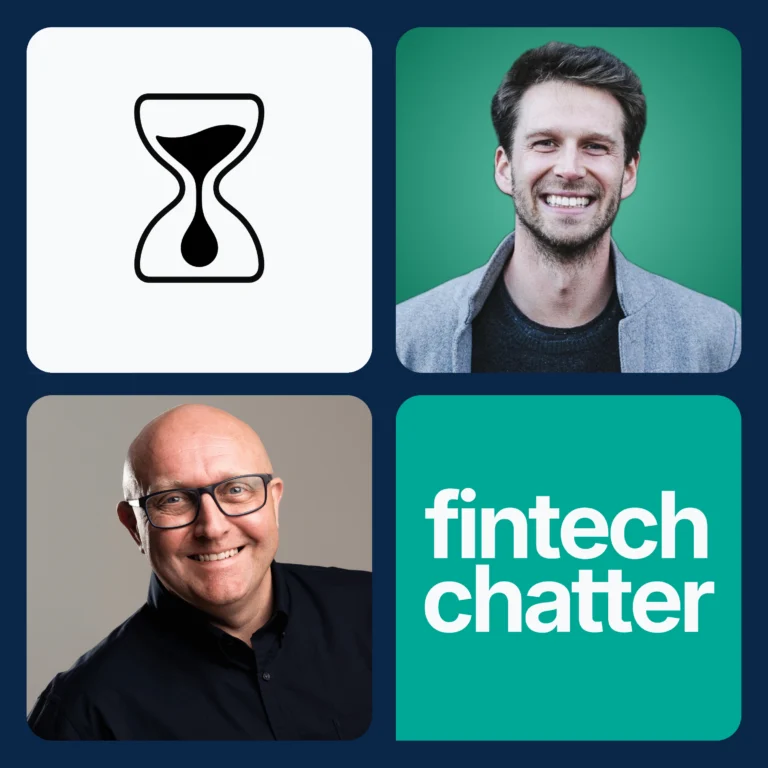
In Episode 117 of Fintech Chatter podcast, Dexter Cousins is joined by Fintech Leader of the Year, Dom Pym.
Dexter first met Dom Pym in 2018 as Up went into Beta phase – He made the bold claim back then that Dom was the Steve Jobs of Aussie Fintech.
Since then Up has become a world-class digital bank and Dom has had a massive impact on Fintech Down Under.
As a co-founder of Up and Ferocia Dom has also made successful exits from Pin Payments and Nutmeg.
Ferocia was recently acquired by Bendigo Bank giving Dom and business partner Grant Thomas the dream exit.
While Dom still is very much involved in UP, he recently announced his family office, Euphemia, which promises to support the next wave of startups. It’s a unique approach and one that puts people and values at the very core of the investment thesis.
In part one Dexter chats to Dom about UP and in Part two they talk about Euphemia’s multi-generational strategy. With an ambitious goal to create real change for Australians, addressing climate change, diversity, poverty and social disparity.
About Dom Pym
Dom’s been involved in numerous start-ups and large-scale technology projects since the 1990’s, in Australia and overseas.
Dom sits on the board of directors at Fintech Australia, and the advisory Board at Bendigo Bank, and continues to work on Up (up.com.au, Australia’s most successful digital bank, highest rated bank, and most trusted bank). Up’s built to help #Upsiders spend wisely and save effortlessly.
A favour to ask
Fintech Chatter is free of adverts and sponsors and will always be free content. If you appreciate the work we do please help us promote the show by:
- Hitting “follow” on your podcast player and leave a five-star review on Apple or Spotify
- Subscribing and liking on Youtube
Thanks for your support!
What happened next.
This episode was published in July 2022, soon after Bendigo Bank acquired Ferocia and Dom announced his family office, Euphemia.
In a bonus episode published in June 2023, Dexter recorded with Dom again in Melbourne just before the Finnies. Dom said Up had around 700,000 customers, was closing in on about 100 billion in transactions, was adding between 500 and a thousand customers a day and had about 120 people. He said Euphemia, working with Judy Anderson-Firth, had made probably 60 or 70 investments in the past year, invested in about 25 or 30 funds, launched its website that day, and had just held an early meeting about setting up a dedicated fintech fund.
- Dom Pym on Euphemia and startup investment (2023), with the full transcript
- Xavier Shay, Up, on building a bank people love (2026)
- All Fintech Chatter episodes
Links from this episode.
- Euphemia, Dom’s family office
- Up, including Up home loans
- Ferocia
- Pin Payments
- Dom Pym on LinkedIn
- Birchal, the crowdfunding platform in Euphemia’s portfolio
- Startupbootcamp Sustainable Fintech, the fund Dom describes backing
- FinTech Australia, which runs the Finnies
- Tier One People
Dom Pym on Fintech Chatter.
- Dom Pym on Up Bank (2019)
- Up wins the People’s Choice Fintech of the Year at the Finnies 2021, recorded live at Intersekt 2021
- Dom Pym on Euphemia and startup investment (2023), with the full transcript
More on Up on Fintech Chatter.
- Xavier Shay, Up, on building a bank people love (2026), the CEO Dom talks about here
- Brian Collins on Startupbootcamp (2022), the episode Dexter mentions
- The Finnies 2022 Emerging Fintech finalists, including Caleb Gibbins of Cache
- All Fintech Chatter episodes
Full transcript.
Lightly edited for readability — filler words removed, wording otherwise unchanged.
Dexter Cousins
Fintech Chatter, brought to you by Tier One People, leaders in fintech executive search.
I’m your host Dexter Cousins, and in episode 117 of Fintech Chatter podcast I’m joined by Dom Pym, co-founder of Up and Ferocia. We recorded this chat the morning after Dom was announced Fintech Leader of the Year at the Finnies, so forgive me if you sound a little bit hoarse. I first met Dom in 2018 as Up was in beta phase, and I made the bold claim back then that Dom would be the Steve Jobs of Aussie fintech. Since then Up has become a world-class digital bank and Dom has had a massive impact on fintech down under.
Ferocia was recently acquired by Bendigo, but Dom is still very much involved in the Up business. He recently announced his family office, which promises to support the next wave of fintech startups. It’s a unique approach, and one that puts people and values at the very core of the investment thesis.
But before we speak to Dom, I’ve got an important message. We’re seeing increasing rounds of redundancies, and funding becoming more difficult to come by, even being pulled in some instances, right across the fintech community. There’s no doubt we’re heading into a very tough period, so now is the time where we need to help and support one another. Every week I receive messages from people around the world who found a job, won investment, won a client or hired an outstanding talent, all because of this podcast.
So please help me keep the fintech community connected during this downturn by heading over at Fintech Chatter TV on YouTube and hitting like and subscribe. And if podcasts are your jam, please leave a five-star review and some positive words. It really does help spread the word about the podcast. We don’t advertise or seek sponsors for the show. This is all about providing a platform for Aussie fintech, so please do your bit by sharing the good word.
Dom, welcome to the show.
Dom Pym
Yeah, thanks for having me. It’s great to be here.
Dexter Cousins
It’s great to have you. So, annual hotel rendezvous that, of course, coincides with the Finnies or Intersekt. But first of all, congratulations, Fintech Leader of the Year. I am in your presence today. My prediction four years ago of you being the Aussie fintech Steve Jobs.
Dom Pym
Yeah, I surround myself with great people, so.
Dexter Cousins
Well, you do, I’ll give you that. You absolutely do.
Dom Pym
Yeah, and I think it’s made a huge difference. And it’s been, yeah, 10 years in the making. Been at it for a long time. So very proud, but also very proud of the team. In fact, today I’m heading into the office and we have all staff, we call it a bonanza, and we’re celebrating three of our Feroci that have been with us for 10 years. And I think we’ve got another 14 people that have been with us for eight years. So there’s an extraordinary sort of retention, you know, like really great team that just wants to stay together. And we even have some people who have left and then come back again.
Dexter Cousins
Wow. So I think just for the very fact that you’ve managed to get all of your staff into the office means that you deserve fintech. It’s amazing.
Yeah, well Dom, it’s great to be with you again. And look, it’s been a bit of a wild year since we last spoke. I think we were in Melbourne and it seemed like everything was going to be back, and then we went into lockdown again. How’s the last 12 months been for Up?
Dom Pym
Oh, it’s been crazy. I mean, I remember when we went to Intersekt, it was some little gap between lockdowns. It was very fortunate that the event ran. I mean, the pandemic has been horrible for people who have suffered from it and died from it and all that sort of stuff. But what’s happened in the fintech space is that the market is booming, because everybody’s gone digital. And it used to be that we had to try and explain to people why having a bank in your mobile phone was awesome, and now there’s nothing to explain. People just download the app and away they go. So we’re signing up more people per day now than we ever have, really.
Dexter Cousins
Wow.
Dom Pym
Yeah, it’s out of control. And also the team itself is, you know, when we launched three and a half, nearly four years ago, we had less than 30 people. And that was one of the things we talked about, maybe you and I talked about it, is, you know, having less than 30 people and launching a digital bank, it’s amazing. But now we’re probably 85 people in Ferocia. So it’s grown significantly. We have to get a new office just to fit everyone in.
Dexter Cousins
If you still got the table?
Dom Pym
Yeah, we’ve got some big tables. Tomo, actually, my business partner Tomo, he took some of the tables as a bit of a memento, because it feels like there’s energy in those tables. Because where we would sit around and break bread and eat together, and then we had custom-made tables for everyone to work on. And so those old timbers sort of tell a story, and the stories they can tell about us building Up is really…
Dexter Cousins
Yeah. I remember the office, and it was like Willy Wonka Chocolate Factory. And I think at the time, so this would have been, were you maybe not even a year old? June 2019 it would have been. And I was in the office, and I remember you had the count, and was it 99,000-something odd customers, and I just missed the ticket to hit the 100,000?
Dom Pym
Yeah. Well, it’s over 500,000 now, so it’s been accelerating really quickly. But also, you know, the product set has been expanding. So we’re doing a lot more now than we were when we launched. We didn’t even have payments, and, you know, so now we’ve got all sorts of things. And then we’re moving on this year to launch our first credit product, which will be home loans.
Dexter Cousins
Wow. So that’s a big scoop.
Dom Pym
No, we’ve been talking about a little bit, and we didn’t want to commit to a specific time frame because of the market conditions and all that sort of stuff. But things are, you know, accelerating at the moment with interest rates changing, and, you know, with I guess all the different pressures happening with the markets and everything. So people are really now thinking about, you know, their bank and how they’re going to pay for their house, and, you know, what do they do for a living, and do they have sufficient, you know, equity, or do they have sufficient capital.
And so I think it’s… I mean, it’s never a bad time to launch a new product, really, to be honest, but I think at the moment it’s quite pertinent, because what we’ve been doing is trying to help Upsiders save for their first home. And there’s a lot of people, it’s… I mean, I can’t remember the number, but I think it’s over $150 million that people have already saved towards buying a home, and we haven’t even launched the product yet.
Dexter Cousins
And so this, just being out, beta with…
Dom Pym
Well, we put a little precursor product, which is the home saver, right. And the home saver just sort of provides some education for people about financial wellness and about saving up and putting aside money on a regular sort of daily basis, and roundups and all that sort of stuff. And we put that product out a few months back, just to help people save up for a home, and we just didn’t expect to get such a sort of massive response to it before we actually even have a home loan, you know. So it’s pretty cool.
Dexter Cousins
As you become more like a bank, and what I mean by that is the product suite, how have you kind of managed not to become a bank, if that makes sense?
Dom Pym
Yeah, no, it does make sense. I think the reason for launching a home loan, or any credit product, is so that we have products on both sides of the ledger, so that then we can generate a margin, and then we’re literally a real bank, you know. Because at the moment we make most of our revenue from our deposits, and it’s a very unusual situation where you can actually make money from deposits. That’s quite extraordinary. Normally the deposits would be fuelling the lending, and then the lending creates the margin.
And so that’s where we want to mature to, having enough products in the set that we’re able to generate our own profitability, our own revenue. And then, yeah, then we’re actually, you know, we’ve grown up, we’ve got our big boy pants.
Dexter Cousins
Yeah, awesome. I think there was also some massive news in this last 12 months as well. Bendigo Bank and Ferocia, the kind of, the dream… was it the dream exit? Can I say that? Or it was pretty amazing.
Dom Pym
I know, I think it’s a good way to characterise it, because we’ve been working with Bendigo for a decade, and, you know, we have a really good relationship there that we’ve developed over that time. And we already build their mobile and internet banking. And then we partnered with them to do this 50/50 collaboration, this idea of this joint venture sort of thing, to do Up. And there was probably some confusion in the market about, you know, whether Ferocia was owned by Bendigo, whatever, but we never were. Like, when we started, we maintained all the intellectual property. You know, we built the solution from scratch, and we partnered with Bendigo to get access to the core banking system and their banking licence.
And I reckon it’s the best exit ever, because what we’ve been able to do is, we were acquired by Bendigo last September, and part of the acquisition was that we agreed with the bank and their executive that we would keep Ferocia completely separate. So the shareholdings changed, but unlike other neobank acquisitions, where they get acquired, they get absorbed, they get shut down, all that sort of stuff, we’re keeping Ferocia and Up outside of the bank, right. But the bank’s just the shareholder now.
And I think that’s a better model that we’ve sort of architected, because it means that we can maintain our sort of independence and our personality, and it’s all the same people doing all the same things. And I think that is pretty extraordinary. The only sad part of the whole thing is my business partner of 15 years is now out of the business. And so I’ve stayed around. He’s got amazing opportunity to have a break now, after going so hard for so long. And, you know, it’s been a great journey, and obviously culminating in the award last night. I feel like it’s recognition for the whole team and the amount of energy and effort that we’ve put into it. Passion, love, you know, like hard work, blood, sweat and tears. It’s extraordinary.
Dexter Cousins
It’s been a real privilege, right, to see it from the beginning, right. I mean, it must be, what, four years ago that I first went on the beta, and then I was just blown away by it and kind of just had to become friends with you, right. It was just incredible what you were doing. And what you’ve shared there about the exit, you know, and you touched on, there’s been another similar one, it’s kind of groundbreaking what’s happened here.
Dom Pym
Oh, yeah. If you look at anywhere else in the world, where else have neobanks been absorbed, you know, acquired by major banks, right. There’s been a few, but like I say, the most famous one is BankSimple, because they were sort of seen as the first digital bank. But it’s really sad. I know Josh, and I feel like it’s a sad situation, and I think he was sad too. Like, not only when he left the company, but then after it was acquired, things didn’t go to plan, and now the BBVA have shut it down, right. You know, it’s gone. And Simple and Monzo were our inspiration for creating Up, and, you know, just to see it disappear like that, it’s sort of a sad situation.
So I think that what we’ve been able to do with Up… And, you know, we look in Australia, 86 400 is another example, an acquisition, but, you know, they’ve rebranded to ubank, they’ve been absorbed into the sort of NAB mothership. It’s just a very different way to do an acquisition, more traditional way. And I just think it’s kind of sad. You lose the personality, you lose the heart and soul of why we created it in the first place.
And I think sticking around as a founding team, so it’s not just me, like Anon’s still there. In fact, we’re celebrating today, Anson’s one of the people that’s been with us for more than 10 years. And so we’re going to be, you know, celebrating the success of the team and the ability for everyone to choose to stay, you know, as one team. And our CEO, Xavier, actually worked with us 14 years ago, before Ferocia was even created, at our last startup. And then he moved to San Francisco, went to Square, just a small company with Jack, built this, you know, 1 billion company. And then he came back and joined us, sort of in retirement, saying he was just going to do a little bit of tinkering, a bit of development. And his brother worked with us as well. So, like, really close-knit team of people, and now he’s the CEO. You know, I just think it’s awesome. And the fact that the people sort of leave, you know, go and spread their wings, create other major successes around the world, and then come back to and settle in, and now working on Up again.
Dexter Cousins
Yeah, and I’ve been saying this for the last s, eight years, right. There’s a startup on that journey, different businesses that require different people. And I’ve often seen it where somebody at the early stage probably isn’t then the right person in this midstage, but then can come back later on and create a lot more value. And it’s kind of, why does the relationship have to be that you’re stuck with each other for 10 years, right?
Dom Pym
Well, we have this sort of philosophy with staff: once a Feroci, always a Feroci. So we even list every single past staff member on the front page of our website. So for us that sort of feeling of belonging, that sort of family feeling, is really important. But we also treat our customers that way. So the idea is that if you’re an Upsider, you’re an Upsider for life, and you can go and do something else, but we want to make the offboarding process, and then the reboarding process, just as awesome as the onboarding process, right. Why not? Like, you create a community, you put your heart and soul into it for a decade, like, you want to leverage that, you want to take advantage of that.
And I think for the customers that, you know, make the commitment to join the Upside, and to move over their banking from wherever they are, or to just even try Up and have Up alongside their other banks or whatever, that level of commitment to us is extraordinary, and we want to value that and we want to reward that. So for us, whether you’re a staff member or whether you’re a customer, having that sort of carousel where you can leave, you can be part of it. You might, for example, use Up while you’re at home with your parents, you might go off overseas and use a different bank, you might come back, you’re at university, you know, go back to Up.
I think that’s the future. Like, the future is companies providing services, providing value, and people throughout their lifetime being able to have it on tap and use that service when they, you know, when they need it, when it’s valuable for their life. Help them out with financial wellbeing, help them out when they’re in a shared house, help them save for a home. But you don’t have to be their only bank, and you don’t have to be their bank for their whole life, you know.
Dexter Cousins
Yeah, think it’s a different way of thinking about it. Absolutely.
Now, you talked about family there, kind of nice little lead-in to the other thing that I wanted to talk to you about, which is you’ve created a family office investment fund. And look, this is one of the things I am most excited about in fintech in Australia. If we see what’s happened in the US, where you’ve had successful exits, and then people have made, you know, significant amount of money that they’ve then been able to put in and invest in the next generation.
Now, I couldn’t think of anybody better to be at the beginning stages and advising and supporting this next wave of fintech than yourself. I described you as the Steve Jobs of fintech when I first met you, but haven’t got to know you and see you in operation, what started off as maybe a meme is, like, you’re one of the best marketers I’ve ever met in my life. You’re one of the greatest entrepreneurs I’ve ever met in my life. Like, technology-wise, you’re one of the smartest people I’ve ever met. You’ve got this track record, which is incredible, of just building stuff, and now the ecosystem gets access to that.
Dom Pym
Yeah, so appreciate youself.
Dexter Cousins
Yeah, look, man, and I say it, right, because I mean it, right. I’ve seen what you’ve done, I’ve used what you’ve built, right, and I know the people that you’ve had around you and the people that you attract. But would you like to share with the viewers and the listeners a little bit about kind of your plans, types of industries that you’re looking at? Fintech’s become really kind of, it’s diverging everywhere. We’ve got, you know, ters coming into it, environments coming into it. What’s the thesis for you guys?
Dom Pym
I’ll just go back to, you said you couldn’t think of anyone better. I think you think of at least two people better. One is Anson Parker, and I use him as an example of all of our staff. Part of the exit of the business is actually creating wealth that’s multigenerational, and creating wealth for all of our staff. If we can make millionaires out of our staff, the people that built Up from the ground up, then they can one day, when they leave Ferocia, they can actually then fund their own startup, and they can help others. They can invest in other founders, other entrepreneurs. So for me, one sort of person that’s better than me is all of the Feroci, the people building Up, and we want to help make them, or help them be in a position where they can help others. So it’s a real family office, a real family office.
And then the second is, for me, Judy. So Judy was CEO of Startup Victoria. And Startup Victoria is not limited to fintech, but she built Australia’s largest community of startups, 60,000 startups, right. And so she’s now working with me in the family office, and, you know, she runs all the investments, and she helped me put together this sort of idea and the thesis and everything.
So I’ll answer your question. I just want to say that, you know, there are people in the industry that are extraordinary people, like, you know, Simone Joyce, or Lauren Kaplan, or Simon k, who, you know, was inducted into the Hall of Fame. Like, there’s amazing people in the industry that have been working long and hard, even longer than me. And even in the VC space, people like Jackie Vullinghs at AirTree. You know, I just have enormous amount of respect for those people, and what we’re trying to do with the family office is give something back.
So I’ll give you a couple of sort of highlights, is that it’s not about us, like maybe a big venture capitalist, putting in money and just trying to get a return. The return is almost immaterial. It’s more using that capital to assist others. So there’s so many stories I have for you, but I’ll just give you the thesis first, what you asked. You know, fintech is something I’m passionate about. In the last 10 months I’ve exited three fintechs, two of which I founded. One was Pin Payments, and one was Ferocia, and the other one was in the UK, Nutmeg. And those three companies collectively exited for one and a half billion, approximately.
Dexter Cousins
Wow.
Dom Pym
That’s the value that they’ve been able to create over the last 11 years. And so it’s a long time, 11 years, but those businesses have all done exceptionally well. And although I’m not a huge shareholder in all those businesses, the amount of money that you get from those type of exits means that we can then back others.
So, for example, we got a call the other day… so fintech is one of the main things, right. We got a call the other day from a brand new business that is sort of just going through the capital raising process, and they don’t have enough runway to get through to their capital raise. And so they rang us in a bit of a, you know, a bit of a flurry, and no one will invest in them, and many other people that we know in the industry have already invested in them before. And in the current economic climate they just needed more money to pay payroll. And so we put up our hand and said, we will cover you until you are able to do your capital raise.
And they’re planning a capital raise on Birchal, and Birchal is one of our portfolio companies, and they’re, so, crowdfunding. And so we’re just helping them get through that little gap, you know, across the chasm, so that they can survive. And it’s a female-led Aussie startup, and it’s going to be a great Aussie startup, and they’re already dominating around the world and what it is that they do, but they’re just running out of money, and in the current economic climate it’s hard. So for us, we’re able to help a great Aussie founder.
And that brings me to our second part of our thesis, which is to back women founders, right. So where we can back a female-led business, then we’re sort of balancing the scales, because nearly everyone who’s running a fintech is like me, a 40-year-old guy with a beard, you know, often, you know, a white guy with a be. And what we’re looking at is, can we find more diverse founders? You know, can we support people from LGBTQ community? Can we support people that are Indigenous? Can we support people that maybe are migrant workers that are, you know, trying to do a startup in Australia? And so, you know, backing female leaders and women-led businesses, I think, is a signal that we want to, you know, help make the industry more diverse.
So fintech is one thing, you know, women-founded businesses and startups is another. And then the other one for us is climate tech. And I’ve been secretly, over the last, you know, 20 years, backing climate businesses, because it’s my passion. Yeah, so I work in fintech, but I want to have, you know, I want to save the planet.
Dexter Cousins
Do you know how many ex-founders are now all going into climate?
Dom Pym
Yeah, I know. Like, it’s amazing, right. And the thing is, for me, is that I have young kids, and so I think about the future. And I mentioned earlier, you know, the multigenerational wealth, and you said that, you know, hopefully we can make Australia more like what we see in California, or in London, or in Hong Kong, where you’ve got decades of these exits, which then create wealth that can be invested in the next generation. So for me, climate tech is even beyond that. It’s more of, like, the future of humanity.
So we’ll look at energy storage, energy generation, cleaning up the oceans, creating electric bikes, electric vehicles, battery storage, wave energy, wind power, solar power, all that sort of stuff. And I’ve been just, you know, casually investing in those businesses for more than a decade. And now we have in the portfolio, we only started the family office in January, we now have over 60 companies in the portfolio already.
Dexter Cousins
Wow.
Dom Pym
But the other thing we do is that outside of our thesis to focus on women and fintech and climate tech, we’re also investing in funds, so that we can amplify the impact we can have. And so when you think about the type of funds that we look at, we wanted to, in that same sort of objective, we wanted to help the capital flows in the market, and help the whole market to evolve and to grow, even beyond fintech, like the whole startup community in Australia. And so of course we’re interested in backing, you know, AirTree and Blackbird and Square Peg, like the big guys, which we do. But we’re also interested in university innovation funds, and the venture capital funds that are spun out of that.
We’re interested in the seed capital, private equity alternative. So we work with, you know, Matt Allen at Tractor, and, you know, we’ve invested pretty heavily in the businesses that are offering alternative finance, as well as the funds that are doing that. So sitting here today, we have probably more than 20 funds, definitely more than a dozen, but probably 20 or so, that we back as well.
And what that does is that increases the breadth of the impact that little old Dom can have, right. So I sit on many boards, FinTech Australia board, I do mentoring and advisory and all that sort of stuff, but I can’t, like, replicate myself. And so I came across Judy, we teamed up, and now there’s two of us. But even the two of us, we can’t do it all, right. So what we’re able to do is, by teaming up with those other funds and those other businesses and those other alternative ways to make sort of fintech and startups more awesome, then we can sort of amplify our impact, and that’s really what it’s about. So that’s a pretty big family…
Oh, we started a foundation too. So for people in need, like… and we’ve got our first foundation member. The idea was to help direct family members, so, like, people that I’m directly related to, who need assistance in their life. And then beyond direct family members, I want to help Feroci, because they’ve helped me. And then beyond Feroci, I want to help Upsiders, because Upsiders are our big family. And then beyond that, we want to help people in the industry. And then, as I said, looking at people from more diverse backgrounds and people in need. And so that’s a, you know, multigenerational strategy. I hope that my kids will want to, you know, follow through with that.
So started the foundation, started the family office, investing in all these amazing businesses. And I’ll just tell one other thing, you know, in an overview, that, you know, the type of businesses that we backed, other than companies that I’ve started, like Ferocia and Up and Pin, you know, other companies that you might have heard of, you know, just small ones like, you know, Square, or Afterpay, or, you know, there’s all sorts of companies that, you know, PayPal and Tesla and Google and Microsoft and all the sort of big public companies. But then also these smaller startups that you might not have heard of that are emerging, so organisations like Cache Invest, or Zipo.
You know, and where fintech and climate change sort of smash together and intersect, we just recently helped close a round for company in the UK called GreenGrowth.
Dexter Cousins
Oh, yeah.
Dom Pym
And they came out to Australia and did the Startupbootcamp, and so I’m mentoring them, and I meet them every week or every fortnight, and we try and help them and assist them in growing their business. But it hits multiple areas. So you’ve got fintech on the one hand, and then you’ve got climate tech on the other. Like, it’s awesome.
Dexter Cousins
So we had Brian on the show, maybe about two months back, and he mentioned these guys. And yeah, look, I mean, the conversation that Brian and I had was exactly this, right. I remember going to Singapore for the fintech festival at the end of 2019, and blew my mind, because I seen that fintech was, like, it was kind of the foundation or the bedrock for everything in society, all the problems that we’ve got, internet of things, logistics. It was like that was underpinning it all.
And it was great chatting with Brian, because their research was basically everything that I’m seeing now, particularly having invited a lot more early stage startups on the show. We’re seeing that people are solving real problems. Whereas last year, Dom, oh, it was heartbreaking. Everybody’s doing a buy now, pay later for home loans, recruitment phase. Now we’re seeing, I think, real, real problems being tackled. And what’s also really encouraging is a lot of these businesses, they’re actually getting a product in the hands of customers before then going and asking strangers for money, right. And I think it’s great that if you’ve got somebody who’s got an idea where it’s got customers, that can go to you and say, hey, what do you think? It’s extraordinary.
Dom Pym
It is. Yeah, yeah. Startupbootcamp is actually a great example, right. So I met Brian some years ago, and he asked me if I could come along and talk to the cohort. And so I went down, maybe it was at Stone & Chalk or something like that, and I went down and I spoke to the cohort. And then Brian said, hey, we’re launching a fund, you know, are you interested? So I invested in the fund. And then he said, oh, you know, can you come along and mentor some of the startups? So then I mentor the startups. And then now they’re launching a new fund, which is the new sustainable fintech fund, which brings together the climate tech and the fintech, and so we’re a substantial investor in that fund.
And so then they were looking for a new office, because they’re growing, and so now we’ve moved Startupbootcamp into the Up office. So actually sharing an office with Ferocia, right. So that journey is, like, maybe five years or more, and you can see how the relationship with Brian and others, Trevor and others, has evolved over that time. And I’ve been able to help them through mentorship, through my time. I’ve been able to help them through, you know, small investments in their early stage funds. I’ve then been able to directly invest in businesses that have come out of it, like GreenGrowth, for example. And then I’ve been able to, you know, even find them a new office.
You know, so I think that it’s not just about money. It’s about actually giving a… about the industry, and helping people. Like, these are genuine, these are people who have put their life on the line, especially the founders, the entrepreneurs, and they’re risking something to try and create a better world. I want to help those people however we can. So that’s why we…
Dexter Cousins
And I think what you’ve shared there is what makes the Aussie fintech industry and community unique, in my eyes anyway. I don’t think anywhere else in the world is this tight-knit, like, genuinely people who want to just help each other. I mean, how many hugs and kisses were there at the Finnies last night?
Dom Pym
Like, it’s extraordinary.
Dexter Cousins
And, you know, how many people I’ve known for two, two and a half, three years and I’ve not met until last.
Dom Pym
I know. Sitting people face to face is extraordinary. But, like, I said to Judy last night, I’ve got little kids and they’re going to bed, and I’m going to go early. And, know, I love it, it’s an honour to win the award and everything, it’s amazing, but I’ll get out of here, I’ll just go around and say goodbye. Yeah, about four hours later…
Dexter Cousins
I was going to say, 11 p.m.
Dom Pym
I mean, like, it was just so amazing. And I think that community… I mean, I was replying to text messages and social media and everything, what everyone’s saying congratulations or whatever, and there were hundreds and hundreds of messages, to the point where there were so many I had to put my phone down, because I just wanted to see all these people face to face in real life.
So I think that community, and, you know, I talked to Judy about, because she’s been a big part of building that community. I think that community is not only heartwarming, but it’s also relatively unique. And it’s grown so much. Like, it’s hard to find a community anywhere else in the world that is that close. I mean, you and me talking about this sort of stuff, and getting together, our annual event in your hotel room, you know. I mean, our relationship has developed, right. And then I can help you find people for other fintechs, you know, and then you can call me and say, I’ve got this great person, you know, what we can do with them. So I just feel like those relationships and helping each other is how we create the success.
Dexter Cousins
Yeah, and look, I think what kind of depends, right, is this really strong values set, which, as people can tell, right, I’m not Rie… Actually, I turn 18-year-old Aussie next week. And it all began here in Melbourne. But what really, you know, I identify more with being an Aussie than I do being a Brit, and the reason why is I think just the, you know, the values and the spirit of the country, right. It’s like, we talk a lot about mateship, and it’s not tradies down the pub, right. What we’re talking about is actually caring about you, and feeling privileged to live in a really beautiful country, and caring about the people that are in it, and trying to make a positive impact.
Dom Pym
Oh, yeah. It’s selflessness, yeah, yeah. It’s like caring for other humans.
Another example for you is that I’ve been following Chris Titley for a long time, and I see his posts on, you know, on LinkedIn and all that sort of stuff. And so one time when we were up in Brisbane, he reached out and said, hey, Dom and Anson, you’re up in Brisbane, why don’t you come out to the office and we’ll catch up on everything. And he was working as a stockbroker, and I think he’s worked as a stockbroker for maybe 20 years, not 19 years or something like that. And so we went out and we saw him at his office, and then he introduced us to other startups and other founders and other entrepreneurs. And then over the years he came down to Melbourne and he did a podcast out of our office, and then next time we were in Brisbane I visited him again and took Anson up with me again and all that. And so we just developed this relationship.
And then one day he sort of rang me and said, you know, love to do another podcast and everything. And I think he’d done hundreds by this stage, you know. And I said, so what are you doing? You know, you’re doing this stuff full time? And he’s like, no, no, I’m just doing it on the side, it’s just a hobby. I said, what would it take for you to quit your job and do this full time, and amplify the content channels for every startup in Australia? And he said, oh, you know, to take, you know, X amount of money, and I’d need to quit my job and do it full time and build a team. And I said, okay, let’s do it. So we’ve just announced a new joint venture with Chris Titley, Sub11, and it means that he can quit his job and follow his passion, and we can actually help every startup in that.
Dexter Cousins
Look, I’ve seen the impact of my podcast, right. Amazing. I’ve got, you know, we’re listened to in 40 countries. I’ve got CEOs call me, say, hey, we just want to thank you, we’ve just hired a country GM in Sweden because he listened to the podcast.
Dom Pym
Awesome.
Dexter Cousins
And was like, hey, you guys rock.
Dom Pym
Well, I tell you what else. I’ll tell you what else is that when people ring me up, or they ring up the PR company or whatever, and they say, we want to interview Dom, they go and read the blog post on your website, or they go and listen to the podcast. Because, you know, the calibre of the founders and entrepreneurs that you have interviewed over the years, it’s extraordinary. It’s, like, the who’s who. And all the PR interviews and all the… it’s just amazing that that is the sort of content that can help this industry evolve.
Dexter Cousins
Oh, look, absolutely, right. I mean, you know, the great thing is, for a business, I’ve never had to make a sales call in three years, right. Like, I go last night, and even though people I don’t know know who I am. It’s amazing. And so I think, you know, when you’ve… and this is the thing really strikes me, and what I love seeing with these early stage startups. Somebody who won an award yesterday, one guy, right, who’s had a big impact on the industry, right, and he won Professional Services award, and I remember giving that guy advice four years ago. So if you’re listening and you’re watching, well, good on you, mate. But it’s that kind of virtuous circle, right. Like, all ships rise with the tide. And I think we’re going to need that more than ever, because I think the period that we’re coming into, it’s, you know, it’s going to be challenging. Tighten your belts.
Dom Pym
I feel like the economic environment, it’s cyclical, right. So it goes up and down all the time. And this next generation of founders have basically had the privilege of growing up over the last decade with the market booming, and, you know, valuations out of control, heaps of venture capital money. And, you know, I wouldn’t say it’s been easy, but it’s been a much easier ride than it will be in the next number of years.
And so I think that, you know, successful businesses, or businesses that were going to be successful, will continue to be successful, businesses like Up. You know, we continue growing, we continue innovating. I think that’s just the way it is. The businesses that were probably always going to fail are now not going to be able to get the capital, or are now not going to be able to hire the right people, or are now not going to be able to scale. And I think that there’s going to be, you know, there’s going to be casualties of war.
Dexter Cousins
Consolidation is the term we’re all using.
Dom Pym
But I agree with you, it is going to be, I think it’s going to be, you know, a little bit more… What I’m saying is that’s why the people that are being successful in the last 10 years need to give back, because I know that I can help those founders that are now going through the tough times, that are now suffering, to help their businesses to survive. The example I gave, you know. So that’s why I feel like, you know, I’d like to see more of the successful fintech founders that have gone built a great business, that have, you know, created value, that have built a community, that have, you know, employed hundreds of people, maybe even thousands of people, depending on how big their business is. I’d like to see them doing more for the grassroots, you know, the grassroots sort of community, and just to help perpetuate that and then create it.
So that, you know, I’ve been doing it for 25 years, so I know a lot of the people, and the people have changed, and people have retired, and new people have come in. But I’d love to see the next lot of people, you know, getting involved, so that we can just keep growing. Because I heard someone say, might have been the minister last night in the introduction, saying that, you know, when we sort of look back 10 years or whatever, we had a handful of fintechs, now we’ve got unicorns and decacorns, and now we’ve got hundreds of fintechs. So I think that… and you pointed out as well last night that the awards there was no…
Dexter Cousins
Yeah, there was nobody who won… recipient.
Dom Pym
Yeah, so it’s now because the industry is growing, the fintech community, we can give out so many awards at the Finnies, and there’s no, no multiple…
Dexter Cousins
I’ve got to say, I do… This is the third year doing the People’s Choice Awards, where I get to interview the finalists from both categories, and especially emerging fintech, I was like, how are they going to judge, right?
Dom Pym
It’s kind of trendy now. It’s kind of trendy. Like, when I first started in fintech, it wasn’t called fintech, you know. It was just, I worked at a financial services company, I worked at a software company. They weren’t quite together yet. And since we’ve become fintech, there’s now around the world, like, they call it, you know, the fintech mafia, which is all the old school, you know, the people that came out of maybe PayPal, you know, maybe Braintree is sort of a more modern one, you know. And so then when you start looking now at these new fintechs that are just beginning, and you look at the challenges that they have ahead of them, I just want to bring everyone closer together and leverage the power of the community.
Dexter Cousins
And look, and this is why I wanted to get you on the show, is because I think if we are going to kind of follow that UK or Silicon Valley, you know, where we do get the opportunity to give back, the one thing I’d like to see is that maybe the VC model itself changes here. Because we’ve seen that it doesn’t necessarily, you know, the things that you’re trying to tackle, doesn’t tackle diversity. You know, we’ve seen, you know, the numbers around funding for females. I mean, it’s just shocking, right. And to solve those problems you need to have a different approach, not a growth at all costs, not a…
Dom Pym
No power laws. No power laws. I mean, we do co-invest with venture capitalists, and we invest in the VC firms, so I kind of feel like it’s almost like a bet each way, in the sense that we try to reach scale. But what we try to do with our time is that we try to mentor, advise, assist. We do a lot of introductions. Like, we met someone the other day, and they’re working for, I won’t say who it is, but they’re working for a large corporate, and they just got their walking, you know, they got their marching notice. And so we had scheduled the phone call, Zoom, a month ago, and when we jumped on yesterday, instead of talking about the opportunities with that company, we started talking about who can we introduce them to, yourself, you know, to find another executive position, to start their own startup, to find capital, to build a team.
And so the conversation changes because of the economic climate. So I think where we can use our network and our experience, and leverage that community to help others to get started, or to help to grow, or to help, you know, to help with diversity, they’re the sort of things that I think make a difference.
Dexter Cousins
Yeah, and look, you mentioned Cache is one of the companies. I’ve known Caleb since he started, right. Met him four years ago at meetups, and yeah, his original idea of it being a neobank, and then it pivoted. And it’s really important that we have people around, right, because the story that he’s got, I think three of the finalists in emerging fintech had all done that pivot, right, of trying to go B2C and realising that, hey, it’s really hard, there’s not a big enough market, I go B2B, and then they get some real fast traction.
And so that’s the other thing with the podcast, is as I talk to the next wave, they know, I’ve been listening to your podcast for two years and I’m not doing it this way or this way or this way, I’m going to… right. And so we’ve got this archive of knowledge, right, that just keeps growing and growing.
Dom Pym
Yeah, it’s amazing. I love your work, Dexter.
Dexter Cousins
I love yours too. That’s why we do it in a hotel room.
Well Dom, it’s been great to have you on the show. Look, there’s people listening who have an idea, they’ve got a startup, they want, you know, value investors like yourself. What’s the best way for them to reach out?
Dom Pym
Yeah, just reach out on social media. You know, my mobile phone number is on the front page of the website.
Dexter Cousins
And is Judy open…
Dom Pym
And Judy, yeah, Judy’s in charge. She runs it all for me.
Dexter Cousins
Super impressive.
Dom Pym
Yeah, she’s amazing. And so, look, just feel free to reach out, and we help as many people as we can.
Dexter Cousins
Awesome.
Dom Pym
And by the way, where we can’t help directly, we introduce to others that can.
Dexter Cousins
Yeah, brilliant. Dom, thanks so much for joining me.
Dom Pym
Great to see you.
Dexter Cousins
To see. Cheers.
And you can connect with me, Dexter Cousins, on LinkedIn and Twitter. Thanks for listening. If you enjoyed today’s show, remember to press follow on your favourite podcast player, and please consider leaving us a review. It really does help me in bringing in great guests, and help fintech fans like you discover the show. Fintech Chatter is presented by Tier One People, leaders in fintech executive search. We’ll help you launch, scale and innovate by delivering world-class talent, and you can find out more at tieronepeople.com. Until the next episode, stay safe.